Our name is our promise
Orleans RMT Massage Therapy & Acupuncture on Innes Road
Learn More About KitchoOur name is our promise

Orleans RMT Massage Therapy & Acupuncture on Innes Road
Learn More About Kitcho

The name Kitcho refers to Dr. Kusai Abidin, our senior Registered Massage Therapist (RMT) and Oriental Massage Instructor. He has been practicing and helping people through massage therapy since 1999 and has taught Thai massage in four countries. He is currently involved in massage training through his international Thai Massage Training Institute, with programs in Ottawa, Hull-Gatineau, Montreal, Toronto, and other locations across Canada and internationally.
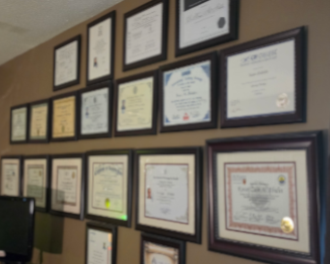
We offer 25+ years of experience. Kitcho has been healing clients since 1999.
• • •
Thai massage differs from many other forms of massage in several ways. It is performed without oil, typically on a comfortable mattress on the floor or on a massage table, and you remain fully clothed throughout the session. Thai massage incorporates assisted stretching, gentle pressure, and movement, which is why it is often described as “having someone do yoga for you.”
In fact, Thai massage is often referred to as “Yoga Massage” or “Yoga for Lazy People” because it incorporates assisted stretches and yoga-like movements while you remain relaxed. The benefits of traditional Thai massage extend beyond relieving everyday aches and pains. Thailand’s Ministry of Public Health recognizes Thai massage as beneficial for a wide range of health conditions, with more than 60 types of illnesses and conditions reported to benefit from or improve with Thai massage.
These include conditions such as high or low blood pressure, poor circulation in the hands and feet, constipation, allergies, migraines, diabetes, irregular menstrual cycles, a weakened immune system, eating disorders, asthma, and anemia.
• • •
Thai massage blends techniques and traditions influenced by neighboring Asian cultures and passed down through generations. Unlike the long, flowing, continuous strokes commonly associated with Western massage, Thai massage incorporates targeted pressure, assisted stretching, and muscle compression, combined with rhythmic, gentle rocking movements.
In Thai massage, the therapist uses more than just their hands to release tension and promote relaxation. The feet, forearms, knees, and elbows may also be used to apply pressure and assist with stretching and movement. Northern-style Thai massage is performed using gentle, controlled techniques designed to be comfortable and relaxing. The massage takes place on a supportive mat on the floor or massage table, and clients remain fully clothed throughout the session. No oils are required.
Thai medical massage takes a more therapeutic approach, focusing on the body’s musculoskeletal and functional systems. It can address deep muscle tension, joint mobility, and the balance and function of muscles, nerves, and ligaments. Today, Thai massage is becoming increasingly popular in the West and is recognized as one of the fastest-growing massage modalities in the United States. Leading publications such as Massage Magazine and Yoga Journal, among others, have featured Thai massage and its traditional techniques.
• • •
Traditional Thai massage is a unique form of bodywork that combines elements of Hatha Yoga, acupressure, and reflexology. With roots dating back approximately 2,500 years, Thai massage is deeply connected to Thailand’s traditional healing practices. The origins of Thai massage are traditionally attributed to Shivago Komarpaj, also known as “Father Doctor.” He is regarded as the founder of Thai traditional medicine and is said to have been a physician, close friend, and contemporary of the Buddha.
Ancient Thai medical texts were carved into stone to help preserve the knowledge and traditions of Thai massage. Many of these historic inscriptions can still be found within the grounds of Wat Pho in Bangkok, one of Thailand’s most important centers of traditional medicine and massage. Traditionally, many Thai families, particularly those involved in agricultural and physically demanding work, used massage to relieve muscle tension, soreness, and fatigue. Massage techniques and knowledge were often passed from parents to their children, allowing these practices to be preserved and shared from one generation to the next as an oral tradition.
Thai massage has developed into a diverse practice, with unique techniques and styles originating from different regions of Thailand. As people traveled and gathered from various areas, they shared and exchanged their massage techniques, contributing to the evolution of the practice. Thai massage was also influenced by traditional healing practices from neighboring and surrounding cultures, including China, India, Burma (Myanmar), and Tibet. Over generations, these influences helped shape and enrich the techniques and traditions that make Thai massage what it is today.
⚠️ Appointment Cancellation Policy: We kindly ask that you cancel or reschedule your appointment at least 24 hours in advance. Cancellations made with less than 24 hours’ notice, or missed appointments without notice, may be subject to a cancellation fee. If an emergency prevents you from attending your appointment, please inform us as soon as possible, and we’ll be happy to help you reschedule.
.png)
.png)
.png)